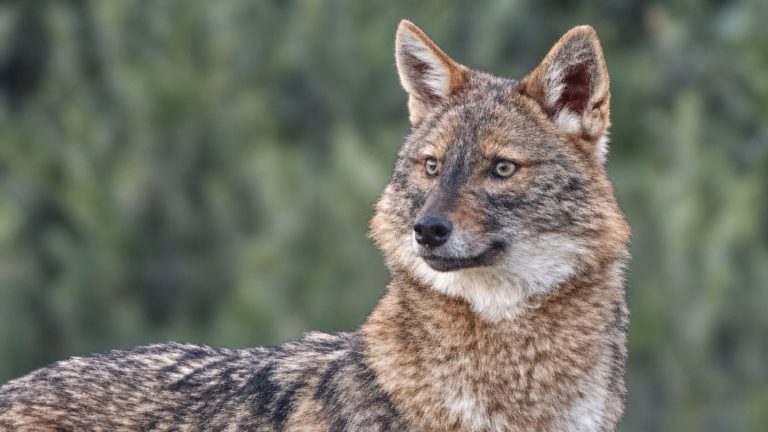
Golden jackal

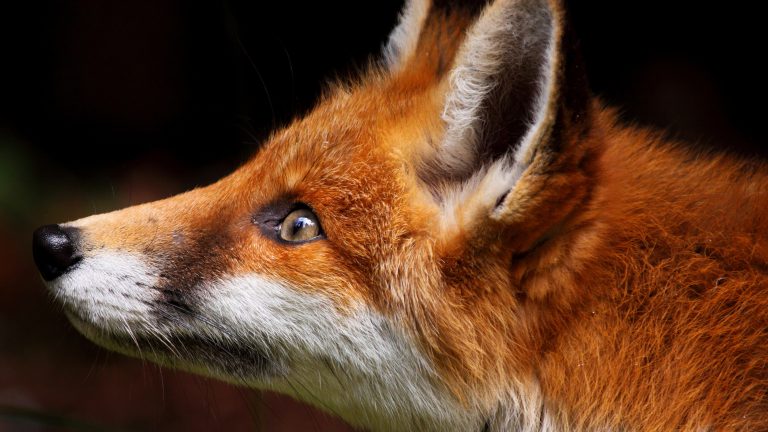
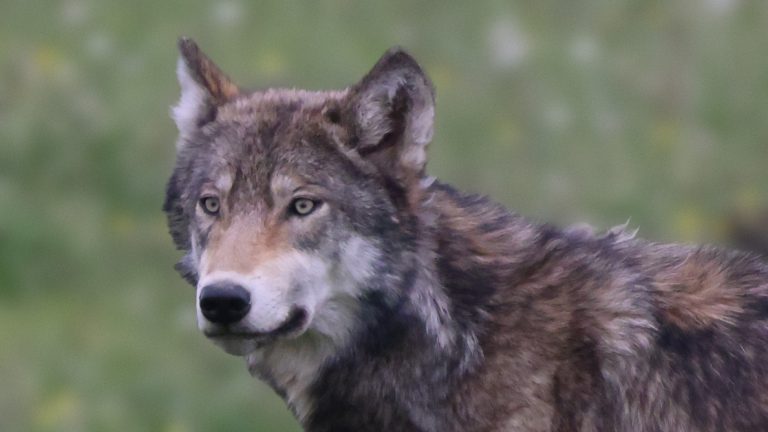
Established in Greece in 2018, CANIS PROJECT is a long-term field research initiative investigating the ecology, behaviour, distribution and interactions of grey wolves (Canis lupus), golden jackals (Canis aureus) and red foxes (Vulpes vulpes). It also examines their relationships with domestic dogs (Canis familiaris), brown bears (Ursus arctos) and human activities.
The project seeks to understand how these animals live, move, reproduce and interact in landscapes undergoing ecological and socioeconomic change. Particular attention is given to agricultural lowlands and rural and peri-urban environments, where wildlife, domestic animals and people share space and resources.
Coordinator Theodoros Kominos
A central feature of CANIS PROJECT is the integration of direct behavioural observation with systematic, long-term ecological monitoring.
Thermal imaging, particularly using unmanned aerial vehicles (UAVs), enables researchers to detect and follow animals at night, documenting movements, social organisation, feeding behaviour and direct encounters between species.
These observations are complemented by handheld thermal cameras, camera traps, systematic field surveys, biological sampling, genetic analyses and geographical information systems (GIS).
A distinctive feature of the project is the repeated observation of the same identifiable individuals and social groups over extended periods, sometimes across different seasons. This provides opportunities to examine behavioural consistency, individual variation, learning and changes in social relationships under real field conditions.
Direct observation also helps distinguish documented behaviour from interpretations based solely on indirect evidence. Combined with spatial and ecological data, it offers a fuller understanding of how wild canids use and respond to their surroundings.
A major research theme concerns the relationships among wolves, jackals and foxes where their ranges overlap. The project investigates shared habitats and food resources, direct encounters, tolerance, avoidance and competition.
It also examines ecological and behavioural relationships between wild canids and brown bears, particularly where they share food resources, visit the same feeding sites or encounter one another during their daily activities.
An essential methodological principle is to distinguish between species occurring in the same area, using the same sites at different times and interacting directly. These represent different levels of coexistence and should not be treated as equivalent.
CANIS PROJECT investigates range expansion and recolonisation by wild canids, dispersal, the establishment of new breeding groups and population connectivity.
It pays particular attention to how changes in rural landscapes—including the abandonment of human activities, shifts in land use and changes in food availability—may influence species distribution and behaviour.
Agricultural landscapes are not considered merely movement corridors. They can also provide food, shelter, resting sites and breeding habitat.
Another important research focus is the relationship between wild canids, domestic dogs and human activities. Investigations address the use of areas near settlements, livestock facilities and roads, access to human-derived food sources and behavioural responses to people.
Interactions with dogs include competition, direct encounters, hybridisation and potential pathways of pathogen transmission. Animal behaviour is examined within its broader ecological and human context, considering the combined influence of other species, food availability, landscape features, human activities and previous experience, rather than interpreting individual encounters in isolation.
CANIS PROJECT incorporates a One Health perspective, recognising connections among wildlife, domestic animals, people and their shared environment.
Research addresses carcass disposal, shared food resources, wildlife mortality and evidence relevant to disease surveillance. The broader aim is to provide reliable field data that can improve population monitoring, help prevent conflicts and inform evidence-based conservation and coexistence strategies.
The project's guiding principle is simple: understanding and protecting wild animals requires more than knowing where they occur. We must also understand how they live, interact and respond to ongoing changes in the environments they share with people.